The evolution of gambling tracing its historical roots and cultural significance
The Ancient Origins of Gambling
The practice of gambling has ancient roots, with evidence tracing back to several early civilizations. Archaeological findings suggest that the earliest forms of gambling occurred in ancient China, where dice were crafted from animal bones around 2000 BCE. These primitive games laid the groundwork for the complex betting systems we see today. Interestingly, you can also try out the game with Aviamasters 2 free play. Similarly, evidence from ancient Mesopotamia and Egypt reveals that gambling was a common pastime, often intertwined with religious rituals and social gatherings.

As societies evolved, so did gambling practices. In ancient Rome, gambling was widespread, with various games of chance enjoyed by citizens from all walks of life. The Roman Empire even established laws governing gambling activities, showcasing its significance in cultural and social contexts. This historical backdrop reflects how gambling transitioned from mere entertainment to a structured societal element.
Gambling in Medieval and Renaissance Times
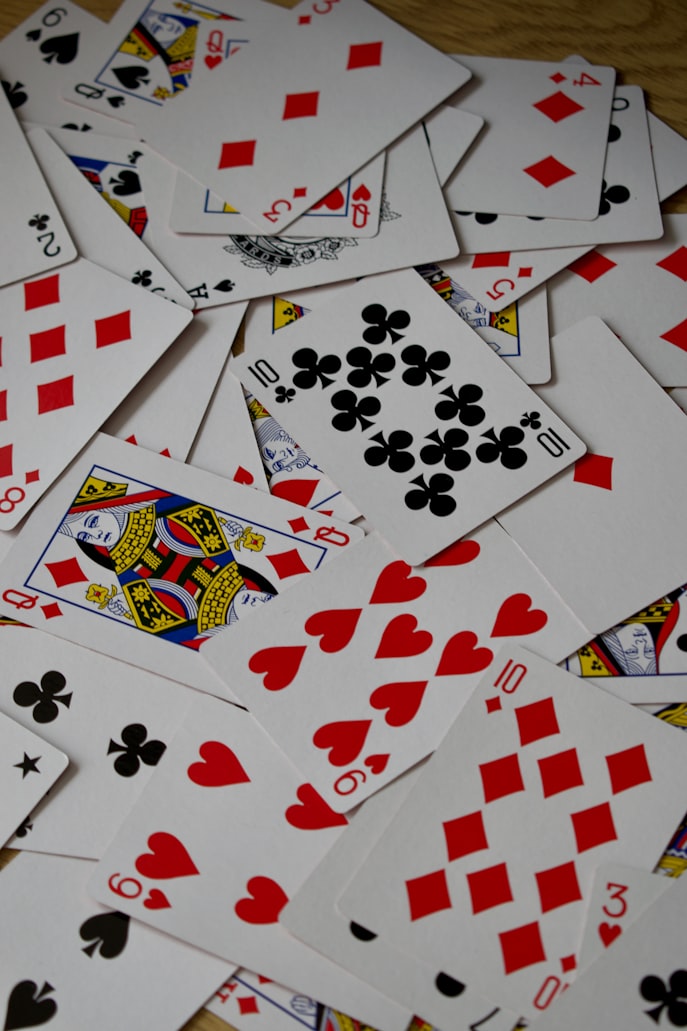
The medieval period saw a shift in gambling activities, with card games gaining popularity across Europe. The introduction of playing cards, believed to have originated in China, transformed leisure activities for many. By the Renaissance, card games were fully integrated into European culture, with games like tarot and tarocchi becoming fashionable among nobility. This era marked a pivotal moment when gambling began to be viewed not only as entertainment but also as a reflection of social status.
Alongside card games, the establishment of public lotteries became prominent during this time. These lotteries were often used to fund public works and charitable projects, emphasizing the dual role gambling played in society—entertainment and economic support. The cultural significance of gambling continued to grow as it evolved from private gatherings to public events, accessible to larger audiences.
Modern Gambling: Regulation and Expansion
The 20th century marked a turning point for gambling, as various forms began to emerge and expand in popularity. The introduction of Las Vegas as a gambling hub in the 1940s revolutionized the industry, offering lavish casinos and elaborate shows. This era of commercialization made gambling not just a local pastime but a global phenomenon. Governments worldwide began to regulate gambling more strictly, recognizing its potential for economic gain and the necessity for consumer protection.
Cultural Significance of Gambling Today
Today, gambling holds a multifaceted role in various cultures around the world. It serves as entertainment, a social activity, and even a source of economic revenue for many regions. From the glamorous casinos in Monte Carlo to local bingo halls, gambling reflects diverse cultural attitudes and practices. In some cultures, it is celebrated during festivals and holidays, while in others, it faces scrutiny and regulation.
Engaging with Responsible Gaming Practices
As the gambling landscape continues to evolve, it is crucial for players to engage with responsible gaming practices. Awareness of the risks and understanding the importance of moderation can lead to a healthier relationship with gambling. Various organizations and platforms promote responsible gaming, offering resources and support for individuals who may struggle with gambling-related issues.